
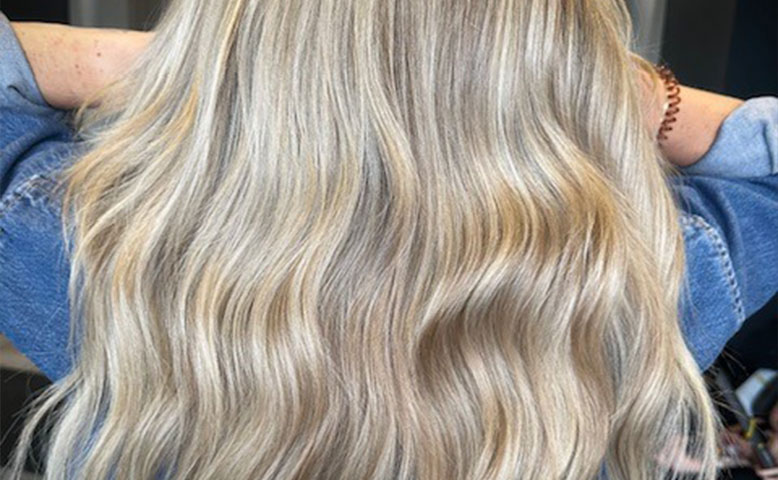
Choosing a hair color should feel fun, not stressful. The trick is to keep it simple and follow a clear plan. In this guide, you’ll learn a four-step method that works for every skin tone and hair type. We’ll talk about undertones, shade depth, and where the color sits in your hair so the result looks natural and flattering. You’ll also pick up a few pro tips from salon practice—things like how natural pigments affect the final shade and why tone correction matters. Keep a notepad handy, because by the end, you’ll know exactly what to ask for at your next appointment at Hair by Hanna. Ready? Let’s start with the most important piece: your undertone. This quick first step unlocks every decision that follows.
1. Find Your Skin Undertone Correctly at Home
Your undertone is the subtle “temperature” of your skin: warm, cool, or neutral. It’s different from surface color (light, medium, or deep). Figuring this out first helps you choose shades that look right in all lighting. Take a moment to step near a window with natural light and clear your face of tinted products. Small details here make a big difference, and these checks take only a minute.
Three quick checks you can do:
- Vein test: In daylight, look at your wrist.
- Greenish veins = likely warm.
- Bluish or purple = likely cool.
- Hard to tell or mixed = neutral.
Jewelry test:
- Gold jewelry tends to flatter warm undertones.
- Silver or platinum often suits cool undertones.
- Both look fine? You’re likely neutral.
- White paper test: Hold white paper to your face in daylight.
- If your skin looks peachy or golden, think warm.
- If it reads rosy or slightly bluish, think cool.
Skin undertone comes from how melanin and blood flow reflect light through the skin. This steady undertone doesn’t change much with tanning or seasons, which is why it’s the most stable guide for color choices.
2. Match Undertone with Warm, Cool, Or Neutral Shades
Once you know your undertone, match it with hair tones that echo or softly contrast it. Keep your goal in mind: Do you want soft harmony or a touch of contrast? Harmony usually looks gentle and natural; contrast can make features pop. Either path can work when tone control is handled with care at the bowl and during glossing.
Warm undertones pair well with:
- Golden blonde, honey, caramel, chestnut, copper
- Chocolate brown with golden glints
- Warm black with soft brown highlights
Cool undertones pair well with:
- Ash blonde, beige blonde, icy pearl tones
- Cool brown (espresso, mocha), soft black with cool shine
- Rose-brown or cool burgundy for a subtle color play
Neutral undertones can wear both. Try soft golden browns one season and ashier tones the next. Keep the temperature moderate rather than extreme.
3. Choose Depth Level: Light, Medium, Or Dark
Depth is how light or dark the shade is, separate from warm or cool. Most salons refer to a level scale from very dark (near black) to very light blonde. Your ideal depth depends on skin depth, eye color, and natural hair. Looking at your eyebrows can help too: staying close to that depth often looks balanced, especially for everyday wear.
Guidelines to pick a depth that works:
- Fair to light skin: Light to medium shades usually look soft and fresh. Extremely dark can create heavy contrast unless that is your style.
- Medium skin: Medium to medium-dark shades read rich and polished. You can go lighter with careful tone control (think beige blonde or warm honey).
- Deep skin: Medium-dark to dark shades look smooth and glossy. High-contrast light pieces can look striking when the tone is chosen well (golden for warm skin, ash or beige for cool skin).
Technical info you can use:
- Underlying pigment appears when you lighten hair (red/orange/yellow tones).
- To reach a target shade, pros often pre-tone or gloss to keep color predictable.
- If your natural hair is very dark and you want much lighter hair, plan on several sessions for hair health.
4. Decide Placement: Solid Color, Highlights, Or Balayage
Placement is where the color sits on your head and how it moves from roots to ends. It affects upkeep more than anything else. The right placement can make hair look thicker, soften face lines, or add light where the eye needs it. It can also stretch your time between salon visits.
Common placement choices:
- Solid color (all-over): Best for covering grays or making a clear, even change. Choose this when you want uniform depth and tone.
- Highlights and lowlights: Fine weaves of lighter or darker strands add the look of movement. Highlights brighten; lowlights add depth.
- Balayage or hand-painted: Soft, painted lightness focused on mids to ends, often with a softer root. This grows out gently and looks sun-kissed.
- Face-frame pieces: Light around the face to brighten your eyes and skin without full maintenance.
Keep tone and undertone aligned:
- Warm skin + golden ribbons = healthy glow.
- Cool skin + ash beige ribbons = calm, refined effect.
- Neutral skin = either path; keep tones soft, not extreme.
Avoid Common Hair Color Mistakes with Checks
Before you commit, run through a short checklist to prevent regret and keep your hair strong. These checks protect both tone and condition. They also help your colorist choose safe formulas and plan a schedule you can stick with.
Quick pre-appointment checklist:
- Show two reference photos you truly like and one you don’t. This sets clear borders for tone and depth.
- Think about lighting: Your color should look good in daylight, indoors, and on camera. Ask for a tone that stays clear under both warm and cool bulbs.
Be honest about upkeep:
- Love low maintenance? Choose soft placement and stay near your natural depth.
- Don’t mind visits every 6–8 weeks? Solid color or brighter highlights can work.
Conclusion
Choosing the right hair color takes four clear steps: learn your undertone, match the tone, pick the right depth, and choose a placement that fits your upkeep. Keep notes, use simple tests, and ask for tone control and gloss to protect your result. Hair by Hanna provides services such as haircuts, colors, extensions, blowouts, hair styling, and Highlights. Book your visit to discuss your plan, look at shade swatches, and set a gloss routine. With steady care and clear goals, your color will stay fresh, flattering, and easy to maintain over time.